September 17, 2026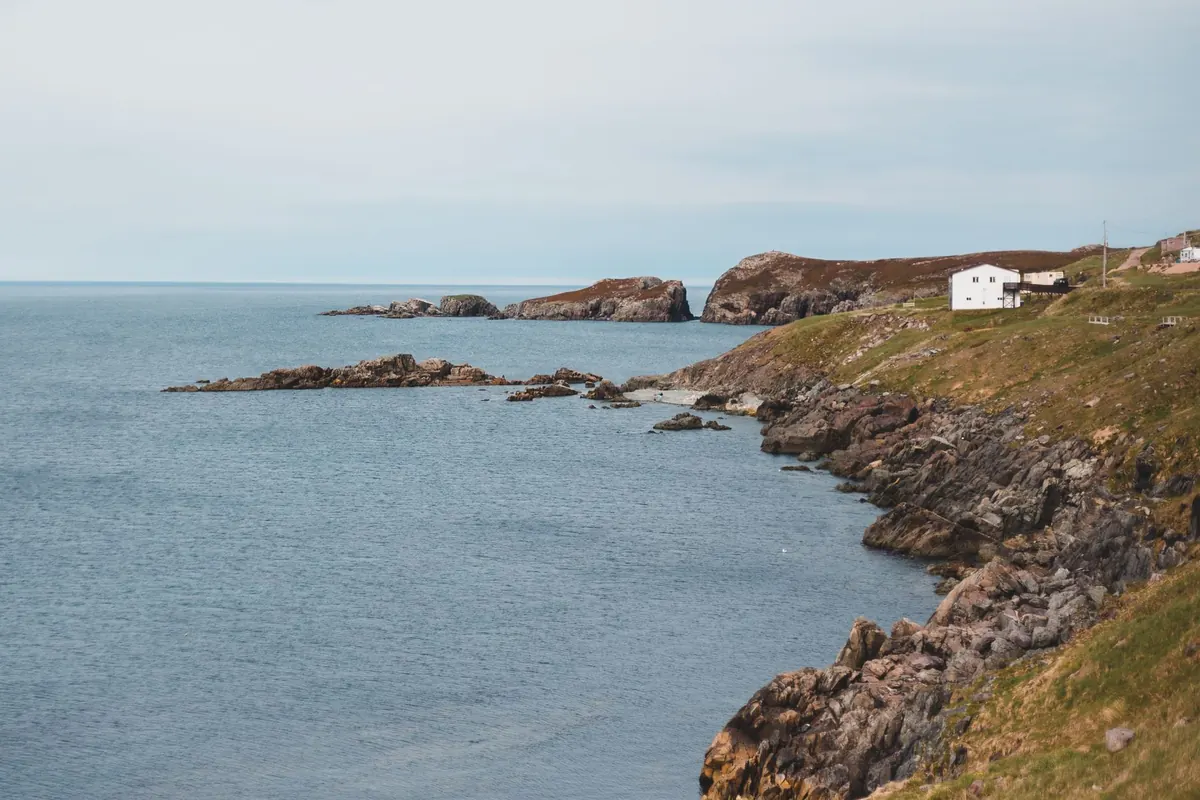
Two cottages, same village, similar asking prices. One sits on the lane above the harbour; the other is three streets back behind the church. On a sunny Saturday in June they look like variations on the same dream. In a wet February, with a car full of shopping and a south-westerly coming off the water, they feel like entirely different purchases.
Sea view or village centre is the first real fork in most coastal cottage searches. Neither is better. The differences show up in five places: the view, noise, parking, walkability and price.
What a sea view actually means
“Sea view” covers a wide range. A cottage can face open water across a field, or offer a sliver of grey between two rooftops from the upstairs bathroom. Both get described the same way in a listing. Work out which one you are being sold.
Stand in the room and look out — then sit down, because you will spend more time sitting than standing. Check the outlook from the kitchen window and the main bedroom, not just the angle the photograph was taken from. Look at what sits between you and the water: a car park, a boatyard, a caravan site, a plot of rough grass with a faded planning notice on the gate.
If something blocks part of your sea, it can be built on or replaced. Planning applications are public, so the local authority's online register will show what has been proposed nearby in recent years. It tells you nothing certain about the future, but it is worth twenty minutes of your evening.
Noise: what you hear depends on where you stand
Sea-view cottages come with sound. Shingle moving in a swell, wind arriving off the water with nothing to slow it down, gulls that start before dawn and nest on roofs from spring into midsummer. Add the promenade, the harbour wall, a pub with benches outside, the slipway at high tide, and a car park that fills by ten on a hot day.
Village-centre living has its own soundtrack: church bells, delivery vans reversing, refuse lorries early on bin day, a café setting out tables, late conversation outside a takeaway, the particular noise a bus makes pulling away from the stop.
The trick is not to guess. Visit the street on a weekday morning, a Saturday evening in July and a wet Tuesday in November. Open the windows. Sit in the car with the engine off for ten minutes. If you can, stay nearby and walk past at 7am and again at 11pm. Sound carries differently after dark, and coastal lanes are rarely as sleepy as they look in a wide-angle shot.
Parking, turning and the August problem
Plenty of coastal searches are won or lost here. Cottages on the water side were often built long before households had two cars, and the sea wall, promenade and harbour leave nowhere to put them.
- Sea-front lanes: narrow, sometimes single-track, with limited on-street bays. Permit schemes may exist for residents, so check the zone, how many permits you can buy and whether a space is ever guaranteed.
- Village centre: tighter streets, but often a public car park within a few minutes, a residents' scheme or a rear access lane.
- Driveways and garages: a “driveway” can be a steep shared slope. Ask about width, turning space and where a second car would sit.
- Visitors: when family arrive in August, where do they leave the car? A property with no practical parking becomes a small source of friction every summer.
Ask how the lane is gritted in winter, too. A steep road above a harbour can be glorious in snow and unnavigable by nine o'clock.
Walkability and everyday errands
Village-centre cottages usually win on foot. The shop, bakery, pub, bus stop, post office and surgery are minutes away, often on the flat. That matters if you do not drive, if you plan to let the property, if guests arrive by train, or if you simply want a pint and a walk home.
Sea-view cottages trade that convenience for the water, and the cost is often a hill. Ten minutes down to the harbour becomes fifteen minutes back up with two bags of shopping, a dog and a child. Walk the route you would actually use before deciding the hill is fine. Knees, hips and prams have strong opinions about hills.
Picture a normal Tuesday. Where does the milk come from? Where does the dog go last thing at night? Where does a delivery van stop? Coastal lanes are frequently too narrow for a supermarket van to reach the door.
Price and the premium you pay for a view
Sea views carry a premium that reflects the outlook rather than the building. Two similar cottages a few streets apart can differ noticeably because one has water in the window. Village-centre money often buys more space, a larger garden or a better-kept roof.
Think about running costs, not just the purchase price. Salt-laden air is hard on external paintwork, metal fixings, gutters and anything left outside, and exposed positions take more weather. Flood risk and coastal erosion are genuine considerations in some locations, so check the Environment Agency flood maps, ask about historic flooding and get insurance quotes before you commit rather than afterwards. For anything involving a mortgage, a survey, flood risk or rights of access, take advice from a solicitor, surveyor or insurance broker who knows that stretch of coast.
Which holds its appeal?
Sea views tend to attract buyers after holidays, weekend use and letting income. Village-centre cottages appeal to people who want to live in a place rather than beside it: neighbours, a shop that knows your name, a shorter walk home in the dark. Both resell; they simply resell to different people.
A practical way to decide
Write down what you cannot live without — two cars, a dog, guests, letting income, a ground-floor bedroom, a flat walk to the shop — then test each property against it, in person, out of season.
- Walk from the door to the shop, the pub, the beach and the nearest bus stop, and time it.
- Park where you would really park, at 6pm on a Friday.
- Stand outside in the rain and listen.
- Check the planning register, flood maps and any permit scheme.
- Get insurance and survey costs in writing before you make an offer.
If you can, rent in the village for a week in winter. A cottage that still feels right in January — wind up, car park empty, heating on — is the one worth buying.
Photo: Erik Mclean / Pexels