October 09, 2026
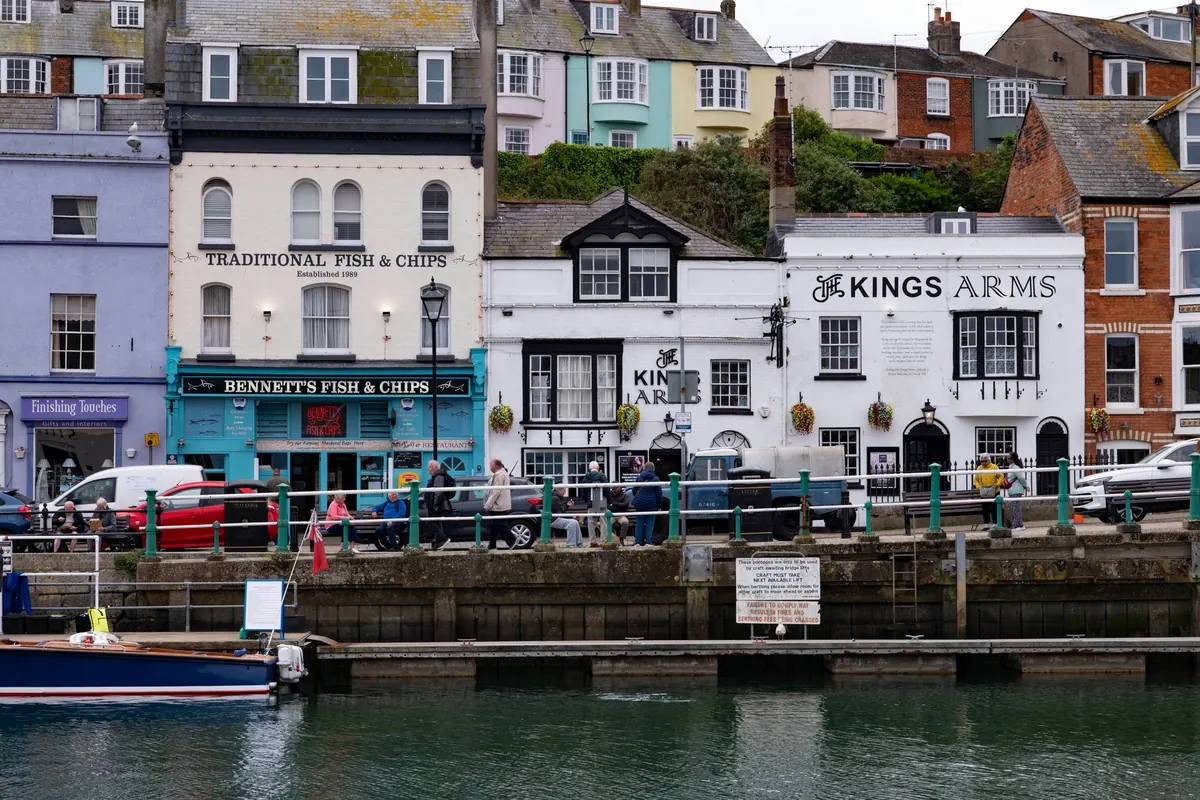
A harbour town runs on two clocks: the tide and the market. Get both roughly right and the day unfolds easily — coffee on the quay, a slow walk along the wall, lunch bought straight off the boat. Get them wrong and you'll spend an hour circling for a space while the water creeps towards the wheels. The preparation takes about twenty minutes the night before. Here's what's worth checking, packing and booking.
Start With Two Timetables
Before anything else, find two pieces of information: today's tide times and the market day. Tide tables are published by the harbour authority or the local council, posted on the noticeboard by the harbourmaster's office, and often given away free in the chandlery or newsagent. Market days vary more than people expect — weekly in some towns, fortnightly or monthly in others, and seasonal in the smallest places. The town council's website or the tourist information office will confirm.
Write both down, or screenshot them. Signal on a quayside is unreliable, and a saved note beats three people searching for the same web page while the chips go cold.
Parking Without the Circling
Harbour towns were laid out for fishing boats, not cars. The spaces nearest the water fill first and stay full, so plan to park on the edge and walk in. Ten or fifteen minutes on foot is usually the difference between a relaxed arrival and a bad temper.
Arrive before ten in summer, and earlier on a market day. Look for the long-stay car park at the top of town rather than the short-stay one by the quay. Check height barriers if you have a roof box or a van. Keep coins in the car, since some machines still refuse cards and parking apps need a signal you may not have.
Two rules worth knowing. Never leave a car on a slipway or against the harbour wall — you'll block a launching boat and may find yourself towed. And if a harbour-side car park floods on spring tides, move the car before high water, not after.
Tide Times, and How They Shape Your Day
High water gives you a full harbour: boats afloat, the ferry and trip boats running, easy crabbing off the wall with a line and a bacon rind. Low water shows you the bones of the place — sand, rockpools, mooring chains, boats sitting on their keels in the mud. Both are worth seeing. The hour either side of slack water is the easiest time for paddling, launching a kayak or taking a boat trip.
A word on safety, because it matters more than any itinerary. Never walk out across exposed sand or a causeway without checking when the water returns, and read the signage at the slipway. Tides can come in faster than you can walk back, and the route behind you floods first. If you're unsure, ask at the harbourmaster's office or stay on the hard.
Market Days: Go Early, Bring a Bag
Markets set the rhythm of a harbour morning. Traders are usually set up by eight or nine, and many are packing away by early afternoon. The best of it — the pick of the fish, the last of the sourdough, the stallholder with time to talk — goes in the first couple of hours.
If there's a fish market, or boats selling direct from the quay, that's your lunch sorted. Ask what came in that morning rather than what's on display, and most will fillet and bag it for you. Take cash as well as a card, keep a tote or cool bag in your rucksack, and treat a queue of locals as a recommendation.
What to Pack for a Harbour Day
Harbour towns are exposed. The same wind that makes the light so good on the water will find you on the wall, even in July.
- A windproof layer and a warm mid-layer, whatever the forecast promises.
- Footwear with grip. Wet stone, green weed and painted slipways are genuinely slippery.
- A refillable water bottle — there are often taps by the public toilets or on the quay.
- Coins and a few small notes for parking machines, stalls and honesty boxes.
- A tote bag or small cool bag for fish, bread and vegetables.
- Sun cream and a hat; there is rarely shade on a working quay.
- A small towel, spare socks and plasters if children will be rockpooling.
- Dog lead, water bowl, and a check on seasonal beach restrictions before you go.
- A power bank and your saved tide times.
Food Stops and a Loose Order of the Day
Coffee first, somewhere near the water — the café closest to the harbour usually opens early for the boats. For lunch you have two good options: a sit-down table with a view, or a quayside picnic of bread, cheese and whatever the fishmonger had that morning. Chippies peak between roughly half twelve and two, and again in the early evening. Eat at the edges of those windows and you'll queue for minutes rather than half an hour. If you want a table with a view on a Friday or Saturday, book it in the morning.
If you're coeliac or have a fish allergy, ask about the fryers and the oil before ordering. It's a fair question and most kitchens are used to it.
A day that tends to work:
- Park by mid-morning and walk in along the quay.
- Market first, while the stalls are full and the town is quiet.
- Coffee, then a wander around the wall and the old streets.
- Check the tide and time your walk, rockpool or boat trip accordingly.
- Lunch, then the ferry or a stretch of the coast path.
- Ice cream on the way back to the car, before the afternoon rush for the exit.
The Night Before
Charge the phones and the power bank. Fill the water bottles. Put the tote by the door and the coins in the car. Check the tide table and the market day once more, and note the time of high water somewhere you'll actually look. Then set the alarm half an hour earlier than feels necessary. Harbour towns give their best to people who arrive before the crowds — a quiet quay, a full harbour, and a coffee drunk while the boats are still being hosed down.
Photo: Noelle Otto / Pexels