September 19, 2026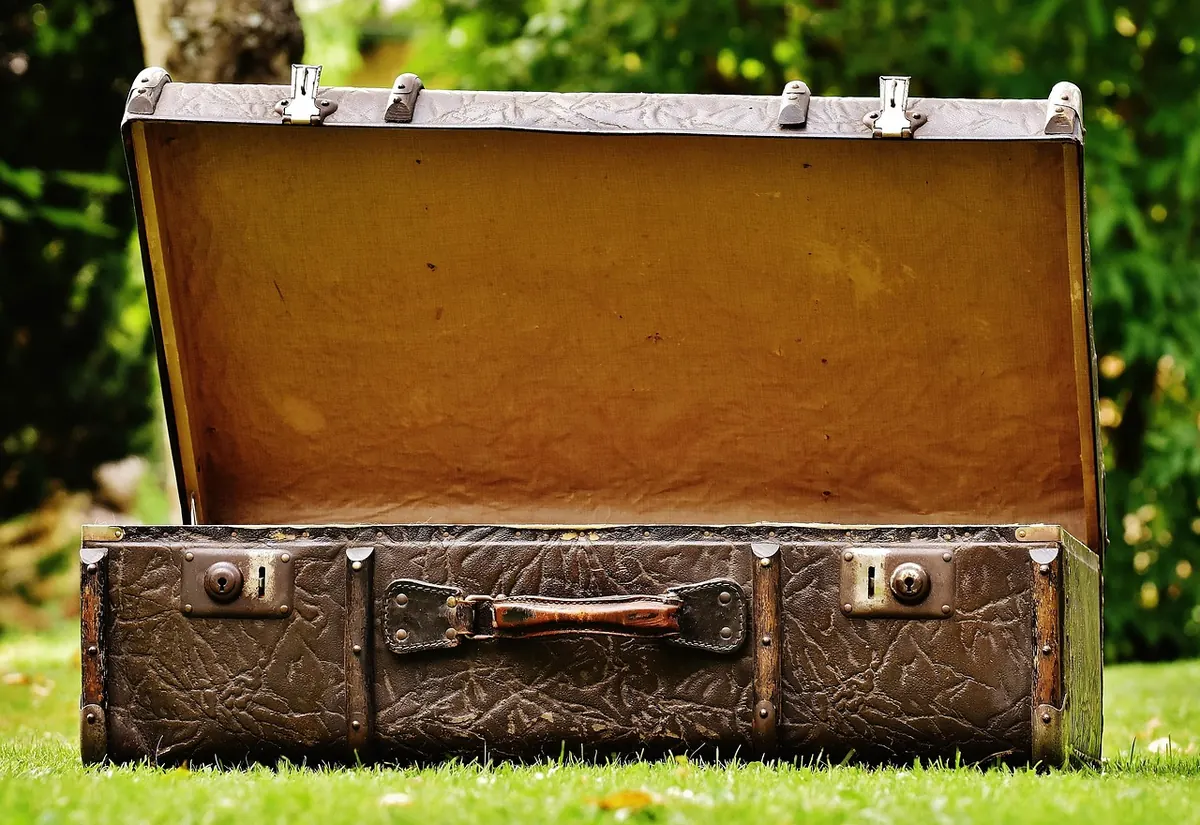
The back of the car tells you a lot about the weekend ahead. Somewhere under the bodyboards and the cool bag there will be three pairs of wellies per person, a guitar nobody plays, and a jumper that never leaves the boot. A two- or three-night stay at a coastal cottage is short enough that packing light genuinely works — and British seaside weather is changeable enough that the few things you do bring need to earn their place.
What follows is a working checklist, arranged the way you will actually use it. Adjust for the season: a February weekend in Northumberland and a June weekend in Pembrokeshire need different bags, but the shape of the list stays the same.
Clothing: Layers Beat Outfits
Coast air is colder than the forecast suggests and windier than the town five miles inland. Assume you will be outside more than you planned, and that you will come back damp at least once a day. Three thin layers do more than one thick jumper, because you can shed the middle one when the sun appears on the walk home.
- Two base layers — merino or a wicking synthetic rather than cotton, which stays cold when wet.
- One warm mid-layer: fleece, quilted gilet or a heavy jumper.
- A windproof outer layer you would happily wear to the pub.
- A waterproof jacket with a hood that stays up in a gust.
- Waterproof over-trousers. Unglamorous, transformative on an exposed cliff path.
- Two pairs of trousers, one of which is allowed to get muddy.
- More socks than days. Twice as many if you have children.
- Hat and gloves from October through May; a cap in summer for the glare off the water.
- One outfit a notch smarter than the rest, for the pub that turns out to be nicer than expected.
- Swimming things, even out of season — harbour dips and cottage showers both count.
Footwear and the Walk to the Beach
Wellies are the right answer on wet sand, farmland and any lane that floods, and the wrong answer on a five-mile cliff walk, where you want trainers or approach shoes with grip. Beach shoes matter more than people think: pebbles and shells hurt, and wet sand plus flip-flops is a slow, cold walk. Add something you can slip on for the trip to the bin store after dark.
The Cottage Kitchen Kit
Self-catering kitchens vary enormously. Some are stocked like a home; others offer one blunt knife, two mismatched mugs and a pan that has seen things. Read the welcome email before you shop, then bring the few things that make cooking a pleasure rather than a puzzle.
- A small sharp knife and a chopping board, if you are fussy about either.
- Tea towels — assume two, bring four.
- Washing-up liquid, a sponge and dishwasher tablets if there is a machine.
- Salt, pepper, cooking oil and proper coffee, plus a cafetière if the cottage only has a kettle.
- Foil, cling film, a couple of lidded containers and bin bags.
- A corkscrew and a bottle opener.
- One easy first-night dinner: something that cooks in a single pot, such as pasta, chilli or a curry.
A cool bag with a frozen water bottle inside keeps milk and butter safe on the drive. Resist over-buying at the supermarket — coastal villages usually have a decent shop, a farm shop or a bakery within a short drive, and buying locally is part of the pleasure of the trip.
Dog Gear: A Short, Honest List
Dogs come back from a beach weekend wetter, sandier and more tired than usual. Kit accordingly, and check the cottage's pet policy in advance: many charge a small fee, ask that dogs stay off the furniture, and request that they are not left alone in the property.
- Lead and a spare, plus a harness if that is your usual setup.
- A collar tag with your mobile number on it.
- Poo bags — bring double what you think you need.
- An old towel for paws, and a second one left in the car.
- A dog bed or familiar blanket, bowls, food and a few treats.
- A long line if recall is still a work in progress.
- A water bottle and collapsible bowl for longer walks.
Check the beach rules before you go. Many UK beaches restrict dogs between roughly spring and early autumn, and signs at the access point will tell you what applies locally. Clifftop paths often cross farmland or ground-nesting bird areas, so keep the lead handy even where it is not strictly required. After walks through rough grass or bracken, check your dog and yourself for ticks, and ask your vet about suitable tick treatment rather than guessing.
Wet-Weather Essentials
Rain is not a reason to stay inside, but it is a reason to be organised. A dry bag or two keeps phones, keys and a paperback usable, and a torch earns its place in winter when the lane back from the pub has no lighting at all.
- A dry bag, plus a waterproof pouch for your phone.
- A torch or head torch, with spare batteries.
- A windproof umbrella, and a travel washing line for drying waterproofs.
- Spare towels, including a quick-drying microfibre one.
- A hot water bottle for cold cottages and colder beds.
- Cards, a board game or two, and a book each — cottage shelves are a lottery.
- Bin bags for wet gear and a tray or mat for boots by the door.
The Things People Always Forget
None of these take up much room, and all of them are annoying to buy in a village shop on a Sunday.
- Plasters, including blister plasters, and any regular medication with a few days spare.
- Painkillers and antihistamine — midges and sandflies are a real feature on some coasts.
- Sunscreen and lip balm, even in early spring. Sun off water is unforgiving.
- Chargers, a power bank and an extension lead if the cottage has one socket in the wrong place.
- Coins or the right parking app, plus a reusable water bottle and coffee cup.
- Binoculars, a bag for wet swimwear, and an old blanket or beach mat.
- Arrival details saved offline. Signal on remote stretches of coast can be patchy.
If anyone in the group has a health condition, it is worth noting where the nearest pharmacy and urgent care service are before you need them. A minute of planning at home saves a stressful drive later.
Packing Order and the Final Check
Pack in reverse order of use. First-night food, pyjamas and toothbrushes go in last so they come out first, when everyone is tired and the kettle is the only priority. Beach kit and dog towels can live at the bottom of the boot.
Before you leave home, read the cottage's arrival instructions properly: bed linen, towels, logs and welcome hampers are provided in some places and not in others, and beach towels almost never are. Turn the heating down, empty the bins, and leave a key with whoever is feeding the cat.
Then stop worrying about the rest. Almost every coastal village has a shop, a pub and a shed selling buckets and spades, and the things you forget become part of the story you tell on the drive home.
Photo: Alexas_Fotos / Pixabay