October 04, 2026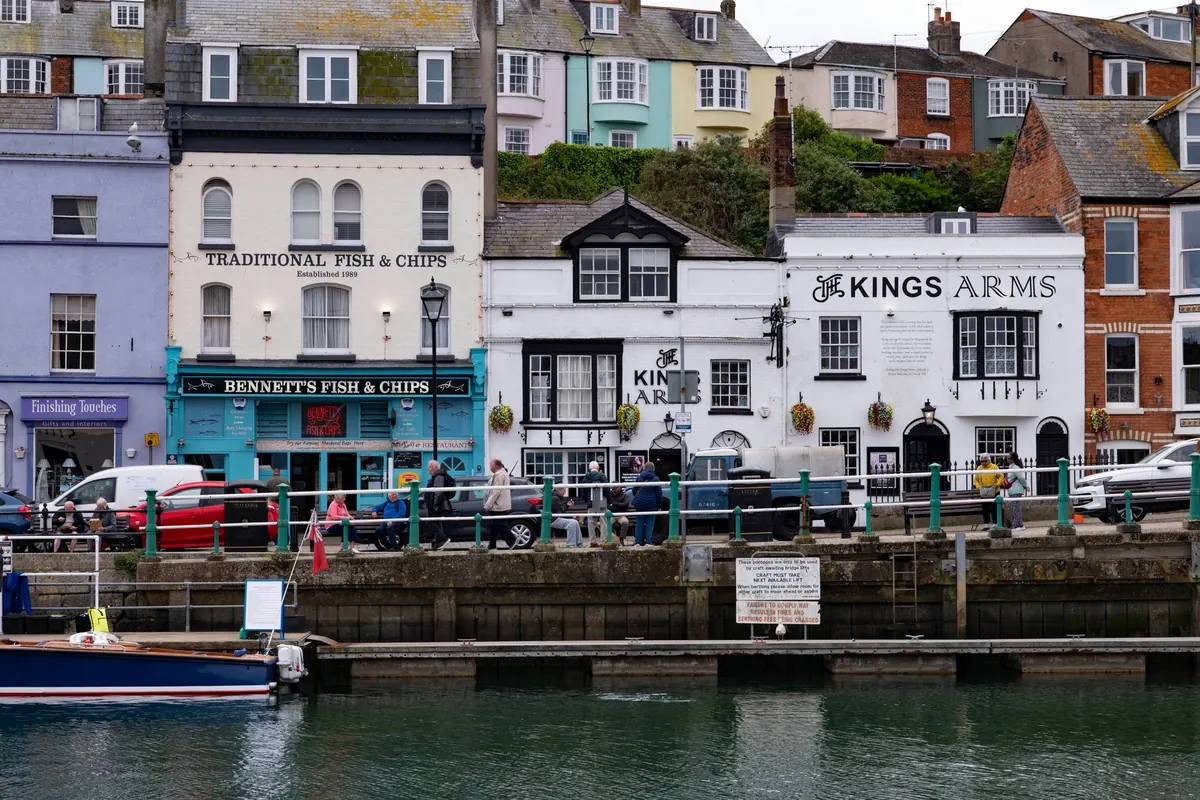
A week by the sea can be spent almost entirely within 200 yards of the promenade: ice cream, arcade, gift shop, repeat. You go home with a fridge magnet and no real sense of the town.
Walk two streets inland and the picture changes. There's a bakery with a queue out of the door at half eight, a greengrocer with a crate of tomatoes grown up the road, a hardware shop that sells buckets and spades because everyone needs them in July. These are the businesses that make a place worth visiting, and they run on small, regular spending from people like you.
Start with the back streets
Seafront rents are high, and high rents reward volume. That's why the first row of shops behind the beach tends to be chains, souvenir warehouses and cafés with laminated menus. Nothing wrong with any of it, but very little of the money you spend there stays within a few miles.
Walk one street back and keep going. The high street, the market square, the road running up from the harbour: that's where you'll find the shops people actually use. Look for a butcher with chops in the window, a bakery, a hardware shop, a bookshop with a second-hand shelf, a pub with a chalkboard outside and no photographs of food anywhere.
Go in the morning. Small-town shops open early and shut at half five or six, and plenty still close one day a week — often Wednesday or Sunday — or take a half day. Read the sign on the door rather than assuming, and don't leave your shopping until the last afternoon of the holiday.
How to tell a local shop from a tourist trap
Not everything that looks independent is, and not everything with a painted name above the door is worth your money. A few quick reads.
Signs your money is staying put
- A single shop with a name you've not seen in any other town
- Stock that shifts with the week, the season or the catch
- Labels and menus that name where things came from — the harbour, a farm down the road
- Someone behind the counter who can answer a question about what they sell
- Postcards and prints of the actual town, photographed recently
Signs it's a trap dressed as local
- Identical "gift emporiums" you've already passed in two other resorts this year
- Souvenirs with no place name on them, or the wrong one
- A laminated menu with a photograph of every dish and a separate "tourist menu" price
- Jam, fudge or shortbread labelled local with a factory address you'd need a map to find
- Staff who can't tell you where the crab came from and don't much want to
Ignore snobbery in both directions. Some chains are genuinely useful and some independents are tired. The question is simply where the money ends up.
Ask someone who lives there
Guidebooks go stale and leaflet racks are advertising. People are better. Ask ordinary questions: "Where do you buy fish?" lands far better than "Where should we eat?"
Good people to ask include the newsagent, the bus driver, the hairdresser, the librarian and whoever is behind the counter in the hardware shop. Pick up the free local paper too — the small ads and the what's-on column tell you what is actually happening this week. Local Facebook groups are useful, though noisy, so search before posting; someone has asked about a decent breakfast before, probably last Tuesday. Be specific about what you want: a proper bakery, a pub without a big screen, a beach that isn't packed.
Shop like a resident, not a visitor
- Buy breakfast from the bakery at least once. A loaf, a pastry, a paper — cheaper than the hotel and the quickest way to feel like you live here.
- Build a picnic from the greengrocer, the deli and the fishmonger. Lunch on the beach beats queueing for a table.
- Shop early for fresh food. The best of the catch and the last of the good bread go by mid-morning, and some places shut by early afternoon.
- Book tables a day or two ahead in high season, then turn up when you said you would. No-shows hurt small places far more than big ones.
- Ask what's in season and where it came from. It's a fair question and most owners are pleased to answer it.
- Don't browse in the shop and buy online later. If you found it on the shelf, buy it from the shelf.
- Buy one good thing rather than five small souvenirs: a print, a piece of pottery, a bag of coffee roasted down the road.
Where your money works hardest
Spend on the things that can only happen here. A boat trip run off the harbour wall. A pint in a pub with a view and no branding. A chippy that has been frying the same fish for thirty years. A beach hut, a surf lesson from the van on the front, a farm shop on the road out of town.
Think about when you spend, as well as where. Buy a coffee even when the weather is grim. If you fall for a place in August, come back in October if you can — shoulder season is when small coastal businesses either get through the winter or don't. A gift voucher for a shop or restaurant you rate is a decent way to help in January, provided you'll actually use it; not every small business offers them, so ask rather than assume.
On payment, most places now take cards. Plenty of independents still welcome cash because card fees bite into small transactions, so carrying a few notes is a kindness rather than a statement. If you're unsure, ask.
Small things that make a real difference
Be patient in queues. July staffing in a small town usually means the same four people doing everything. Leave the sand outside — nobody minds a wet dog or a sandy child, but they do mind a shop floor full of shingle.
Say something if you liked it. Tell the owner. Then review the place when you get home, and be specific: name what you bought, mention the welcome, skip the point-scoring. A thoughtful review on a small shop's page is genuinely useful; a one-star rant about parking is not. And if you promise to come back, mean it, or don't say it.
Make it a habit, not a gesture
Supporting local shops isn't a virtue you perform once a holiday. It's a set of small decisions spread across a week.
Aim for one independent purchase a day: the bakery on Monday, the fishmonger on Tuesday, the bookshop when it rains on Wednesday. Go back to the same café twice and get recognised. Ask one question in every shop you like. Walk one street further than you meant to.
Do that and you'll come home with better food, better
Photo: Steve B / Pexels